Mangapārae Papakainga Restoration
Whatatutu, Tairāwhiti Gisborne: Reforesting our whenua, our whānau initiative.
Te Kooti Arikirangi Te Turuki prophesied over the lands at Mangatū concerning its erosion which our whānau in 2017 interprets, underpins the basic need for kaitiakitanga and healing in the wake of colonization, land loss, deforestation, farming and mismanagement of our whenua that has led to an erosion of our ways of knowing and being associated with uninterrupted tenancy, and caring for the whenua, over many generations. Our whānau led and managed restoration project hopes to address the loss of this mātauranga and, to have an opportunity, to demonstrate our commitment of relationship with our whenua toward wellness and flourishing for the land and the people.
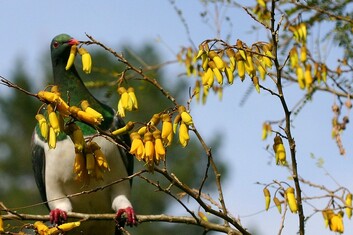
Ecological restoration
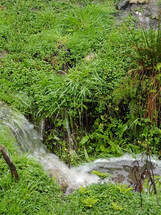
The aim of the proposed project is to restore the whenua with native vegetation, including wetland and riparian restoration encouraging the return of endangered species. In addition we intend to focus on building iwi environmental education based on Te Aitanga-a-Māhaki and Ngariki values that emphasise; historic land uses such as for weaving and rongoa, and our connectedness to the well-being of the whenua that shift our thinking toward more restorative management of our whenua.
|
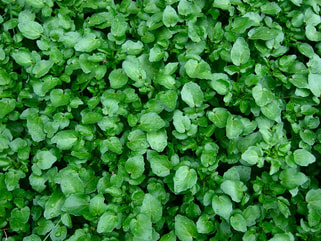
Wetland restoration
Our whānau hope the wetland management/restoration management and iwi environmental education plans will establish the blueprint that will include succession planning for future generations and build a foundational awareness of our interconnectedness with the well-being of the land and the land for our well-being. “Kia noho hei kaitiaki mo ngā papa whakatipu, hei whakakao i ngā taonga hei oranga mō ngā whakatipuranga e whai ake nei” (Mangatū Incorporation)
|
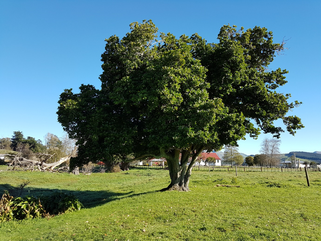
Ngahere restoration
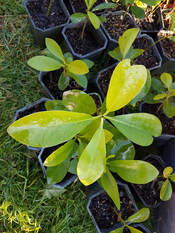
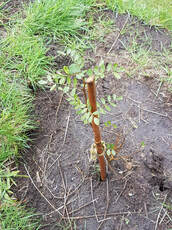
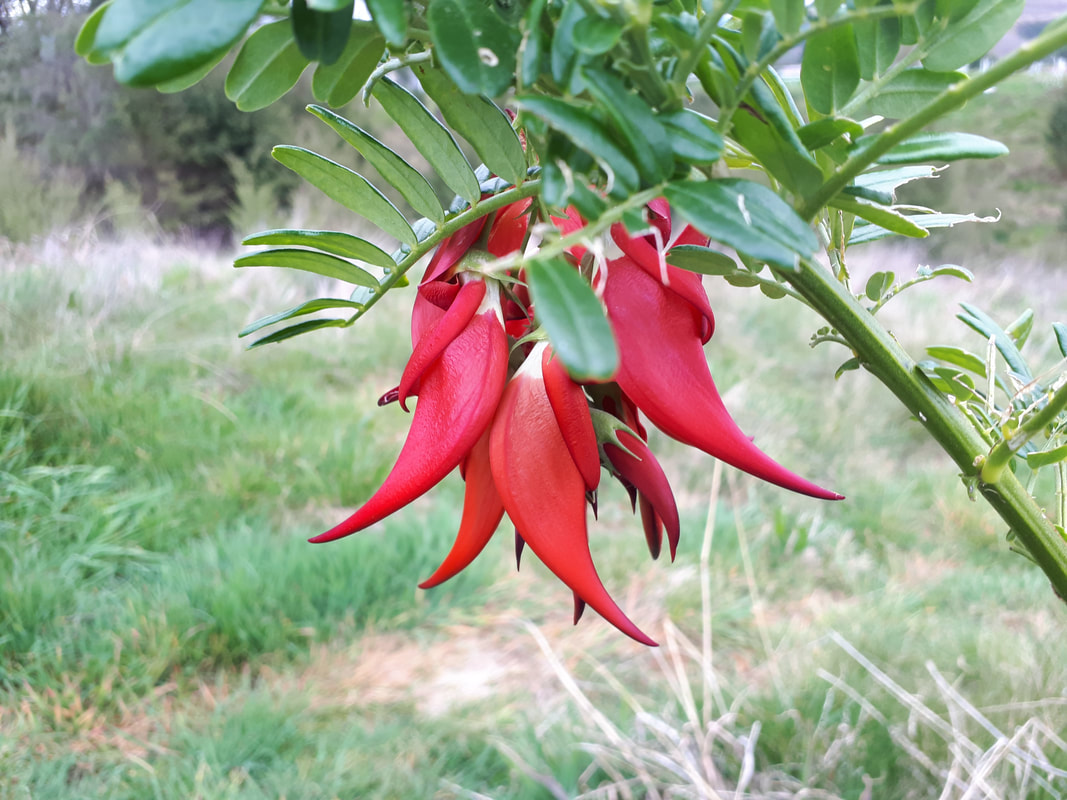
We are planting over 10000 Tōtara. Kahikatea, Mānuka, Kānuka, Karaka, Pūriri, Rewarewa, Rimu, Tītoki and other native species. This will encourage the return and species improvement of native pigeon the Kererū, Weka and Tui. Mangapārae will be a haven for endangered birds and plants including Ngutukākā. In addition we are building spaces for reflection, a way-finding loop with boardwalks and accessible walk ways.
|

News Updates
February 2024
Cousin Mere Tamanui and Virginia Tamanui eDNA EPA collaboration
|
|
“In the wake of the cyclone, there was a need for community, iwi and hapū groups to come to grips with the impact on the precious ecosystems in their rivers, lakes, streams and other waterways,” says EPA General Manager Engagement Paula Knaap.
|
February 2024
Our Success Story
|
|
Wetlands once covered much of Aotearoa New Zealand, providing a habitat for rare plants and native birds, and helping to improve water quality and manage flood risk. But ninety percent of New Zealand’s original wetlands have been destroyed and this unique habitat will continue to disappear unless we protect it. "WWF supports the Mangapārae Papakainga Trust in Whātātūtū for its vital work to restore the Mangapārae wetland on Aotearoa’s East Coast - an area heavily impacted by Cyclone Gabrielle and by consistent erosion and flooding. This whānau-led ecological restoration project aims to restore the whenua and work with the wider community and hapū to reintroduce wildlife like the weka and various tuna". Read the full article HERE
Our Wetlands strategy is supported by WWF and The Tindall Foundation
|
August 2023
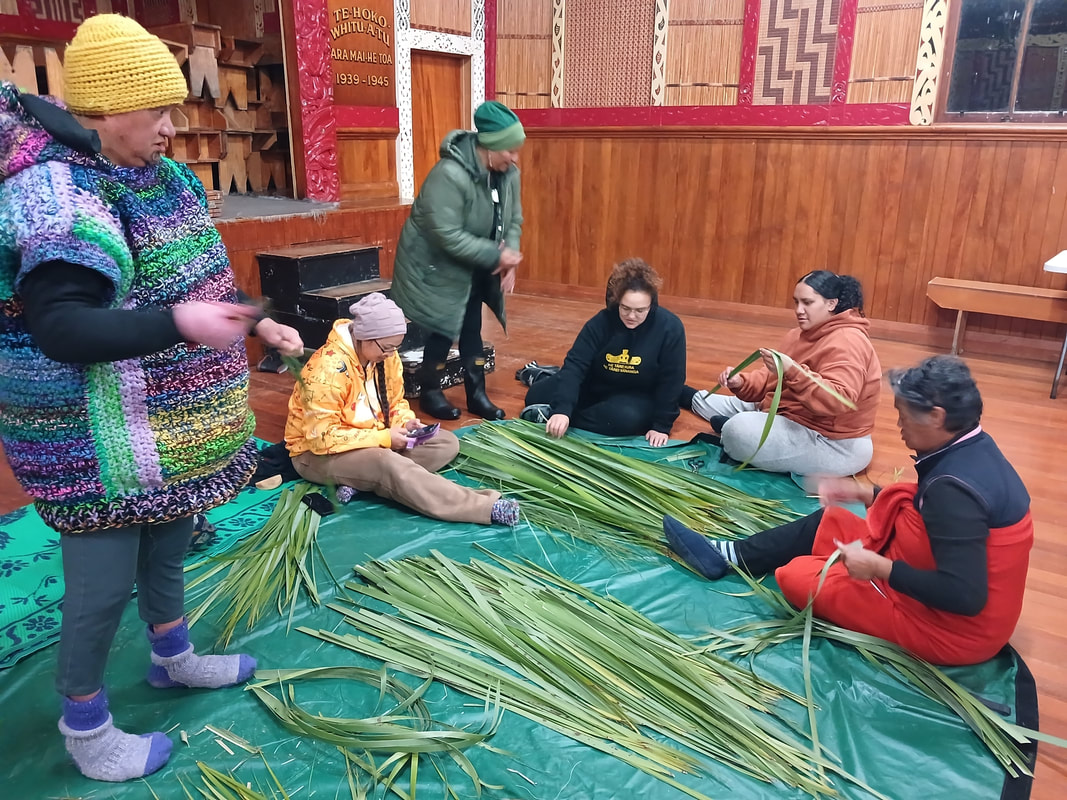
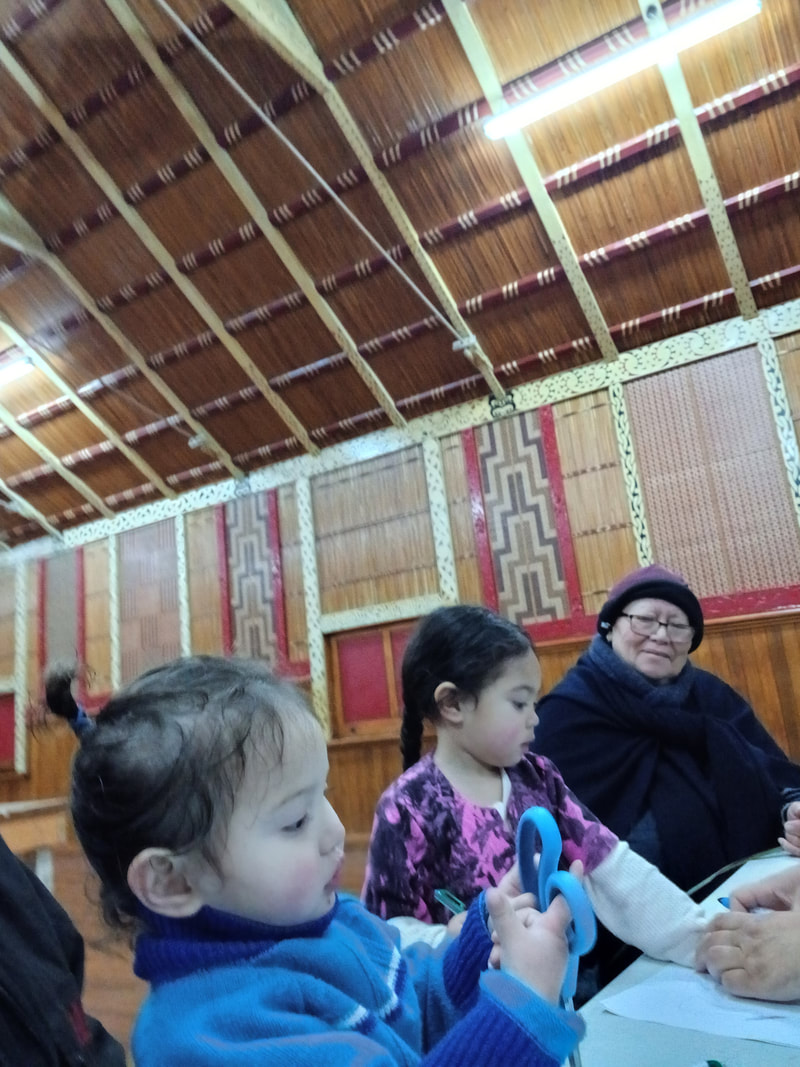
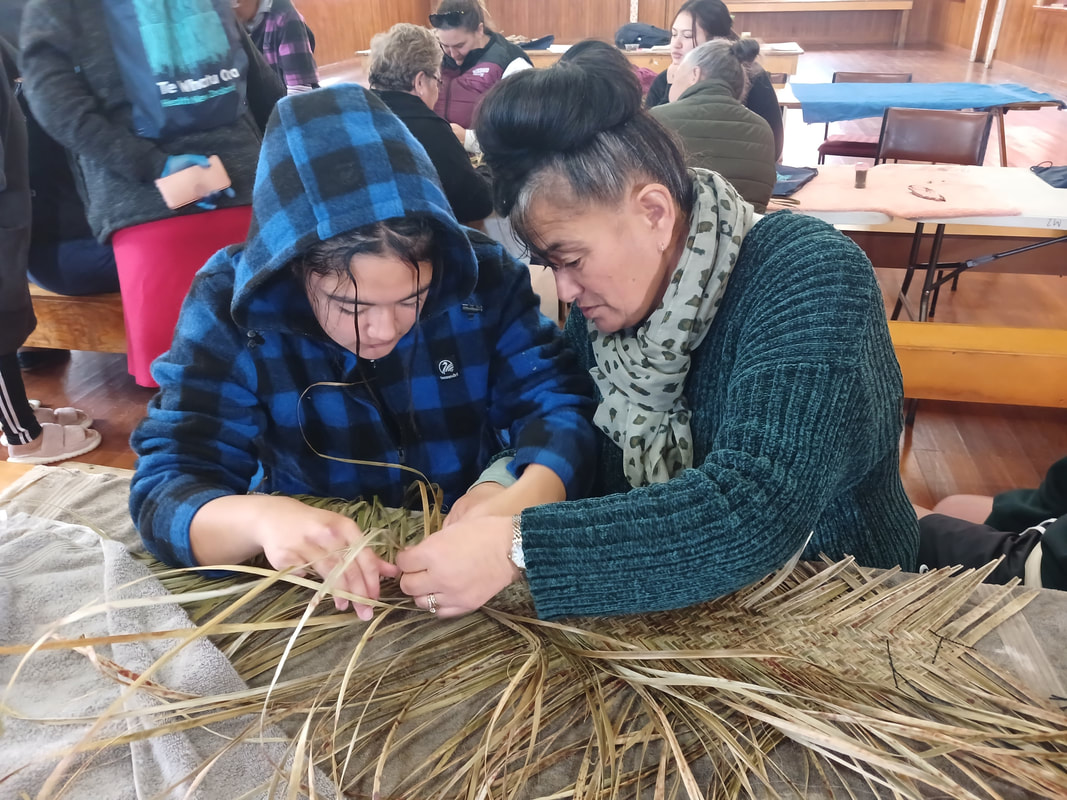
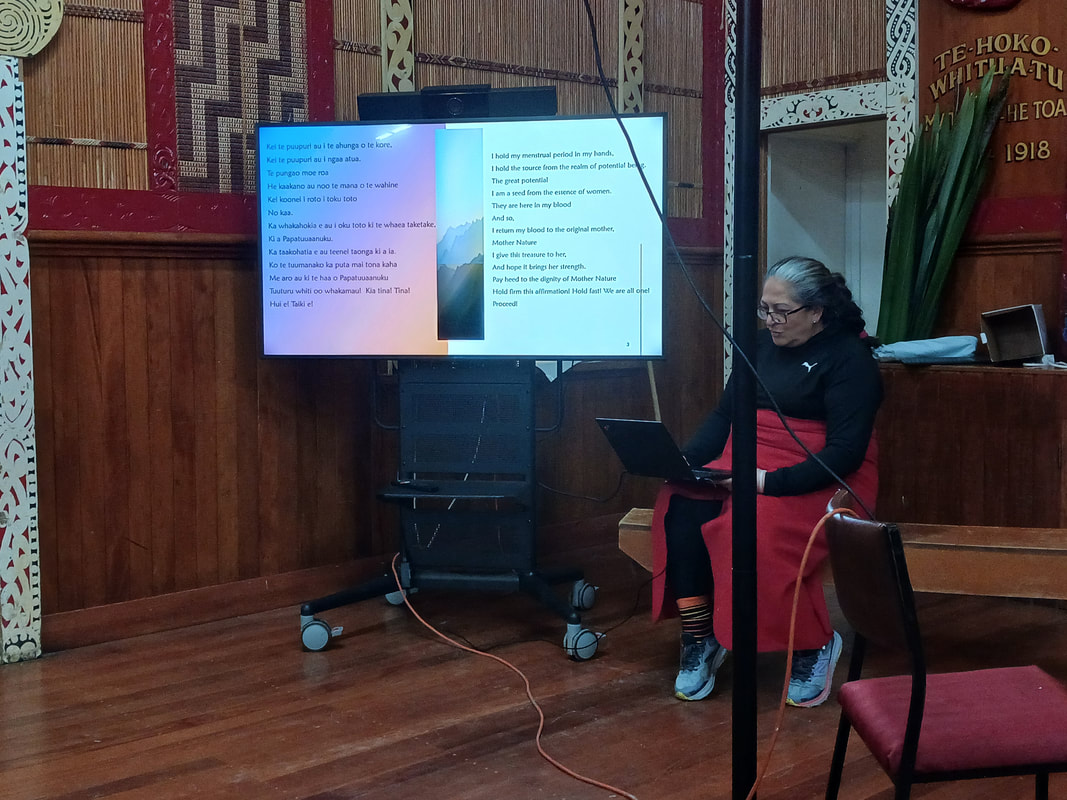
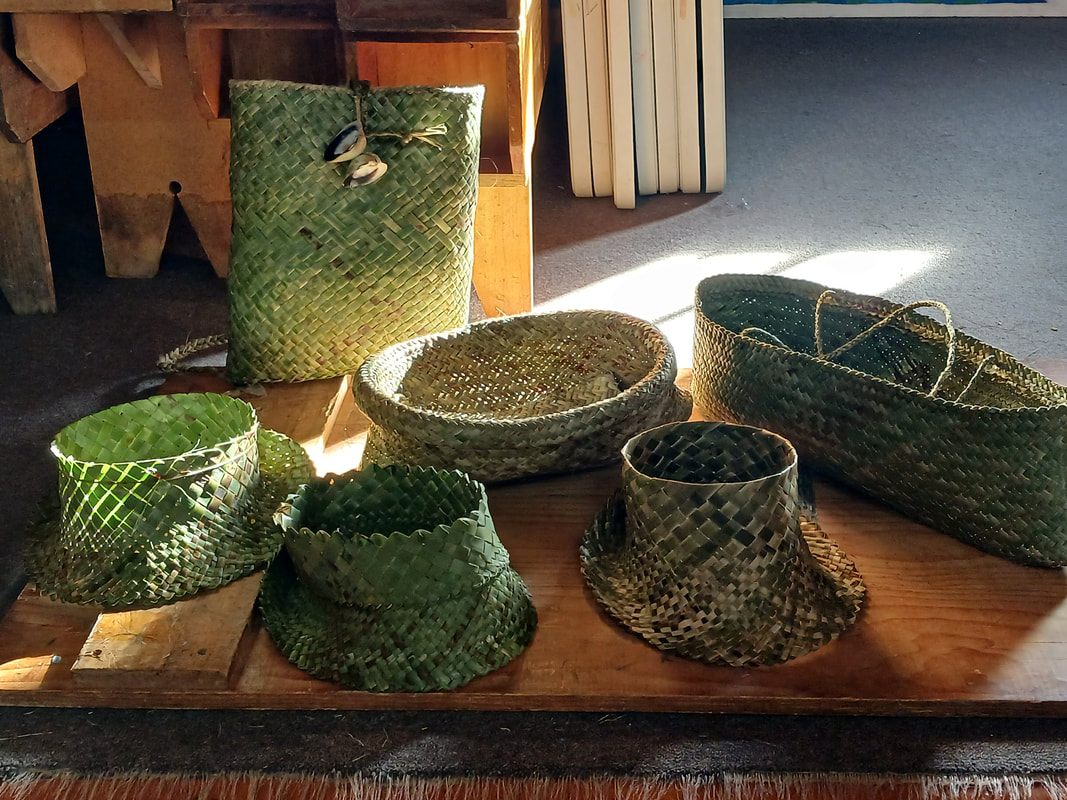
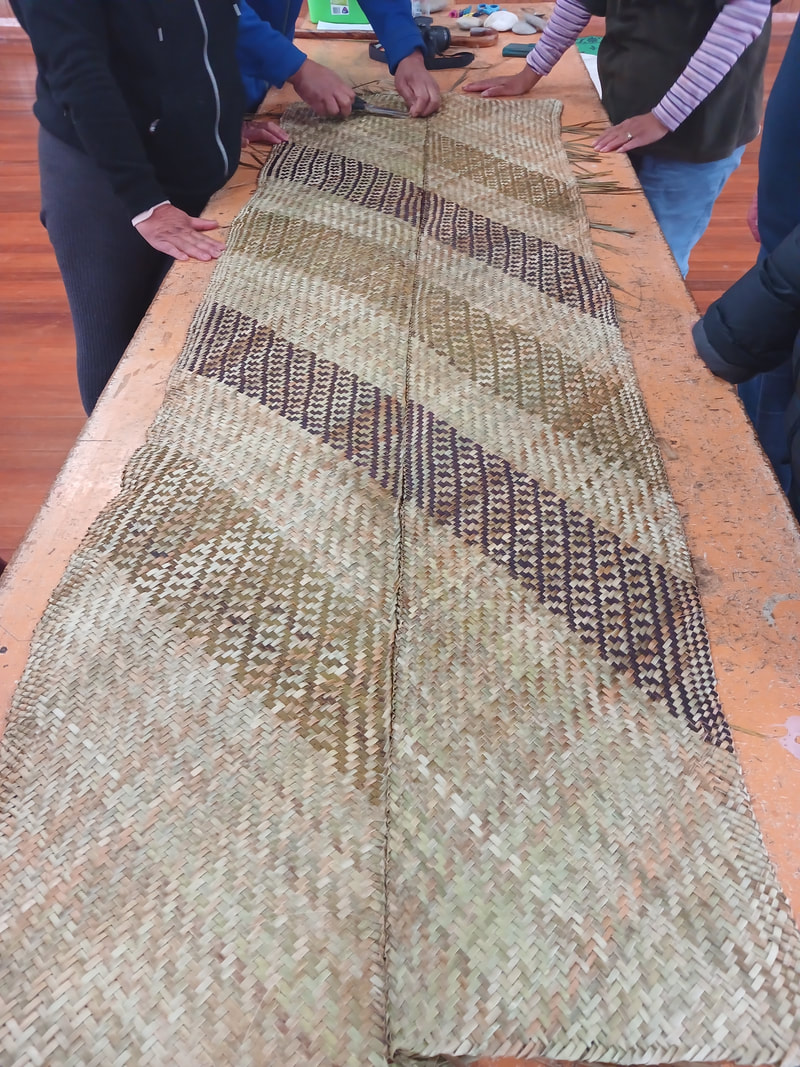
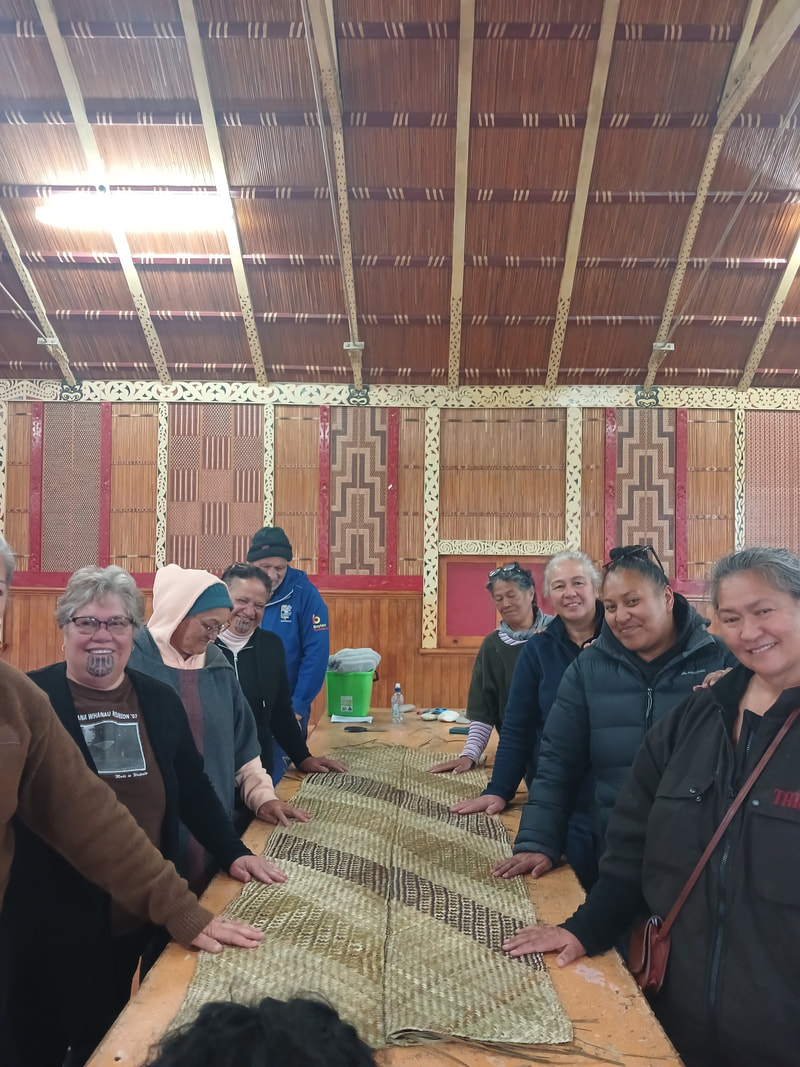
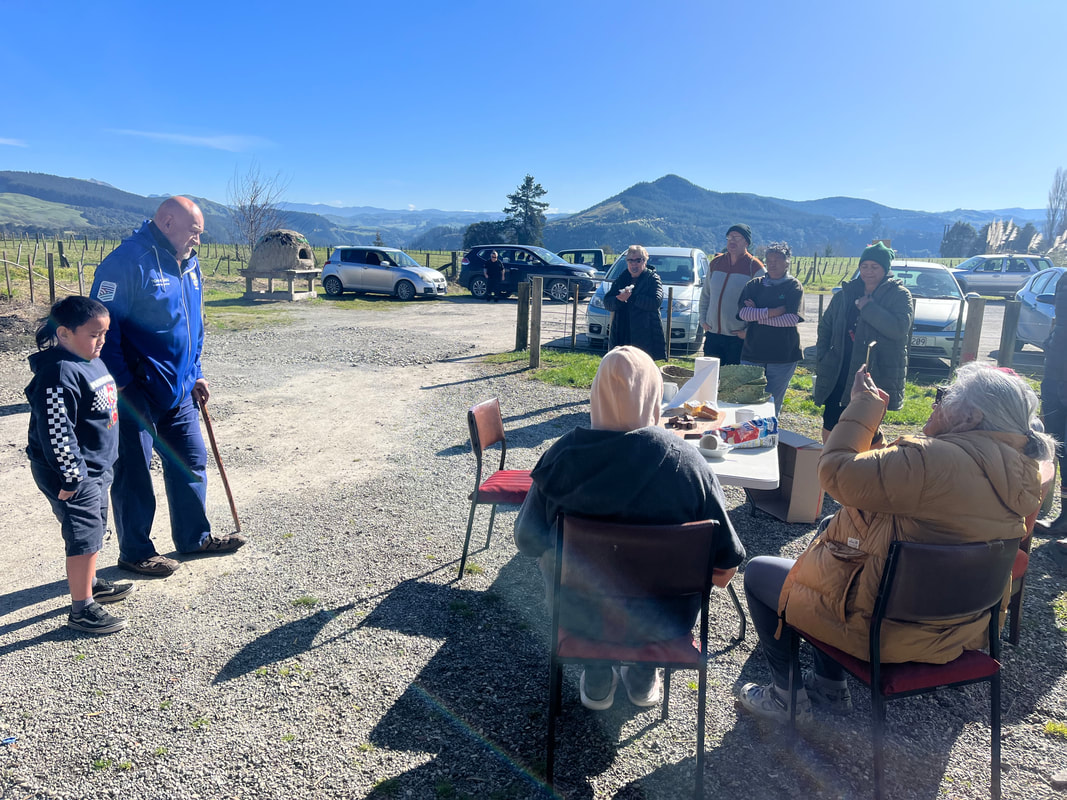
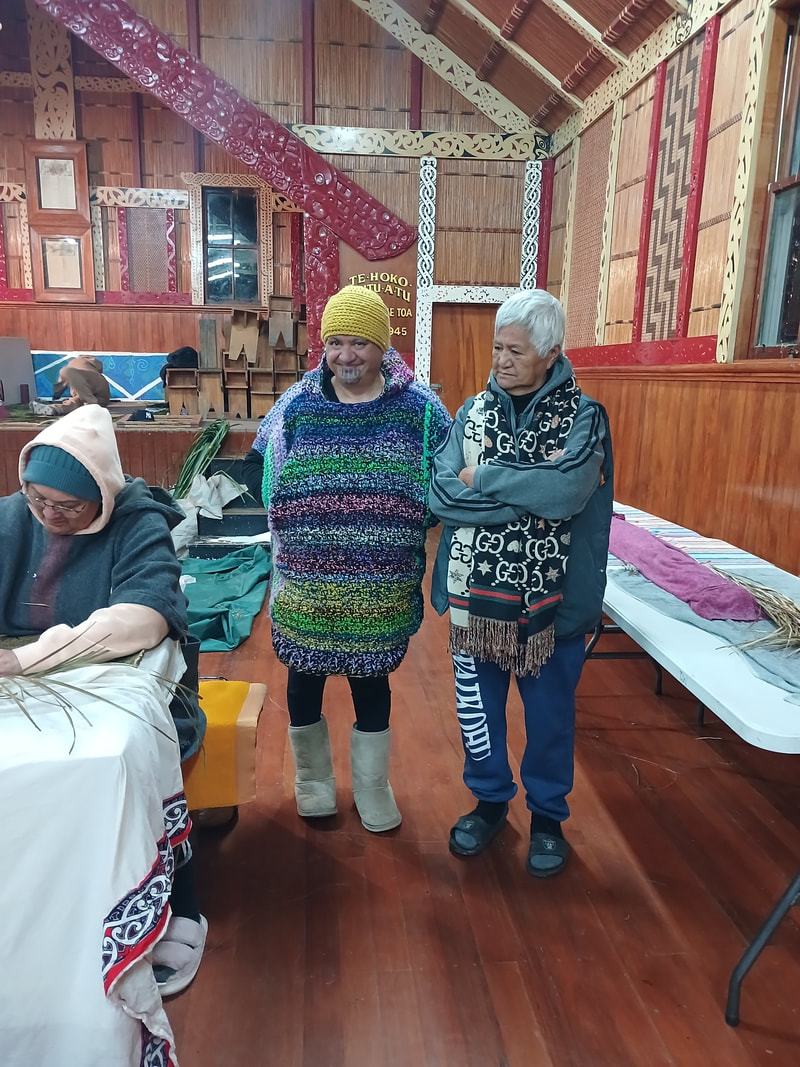
Papakainga Wananga Whakatipu Whenua
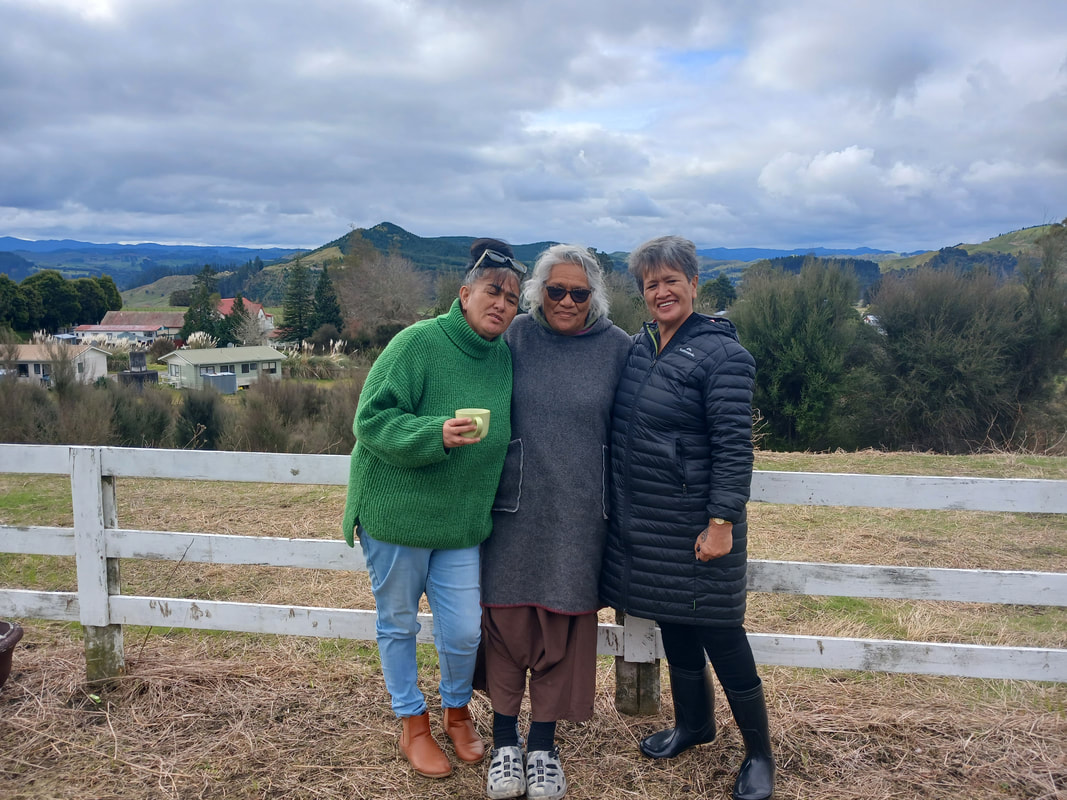
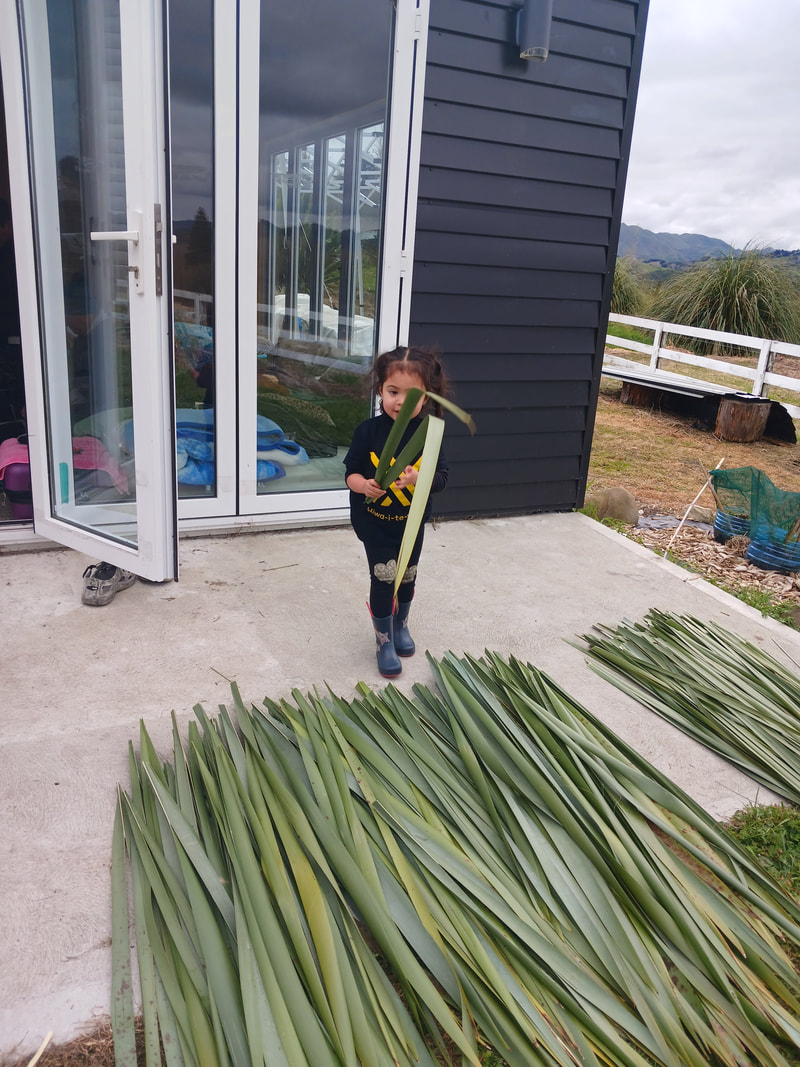
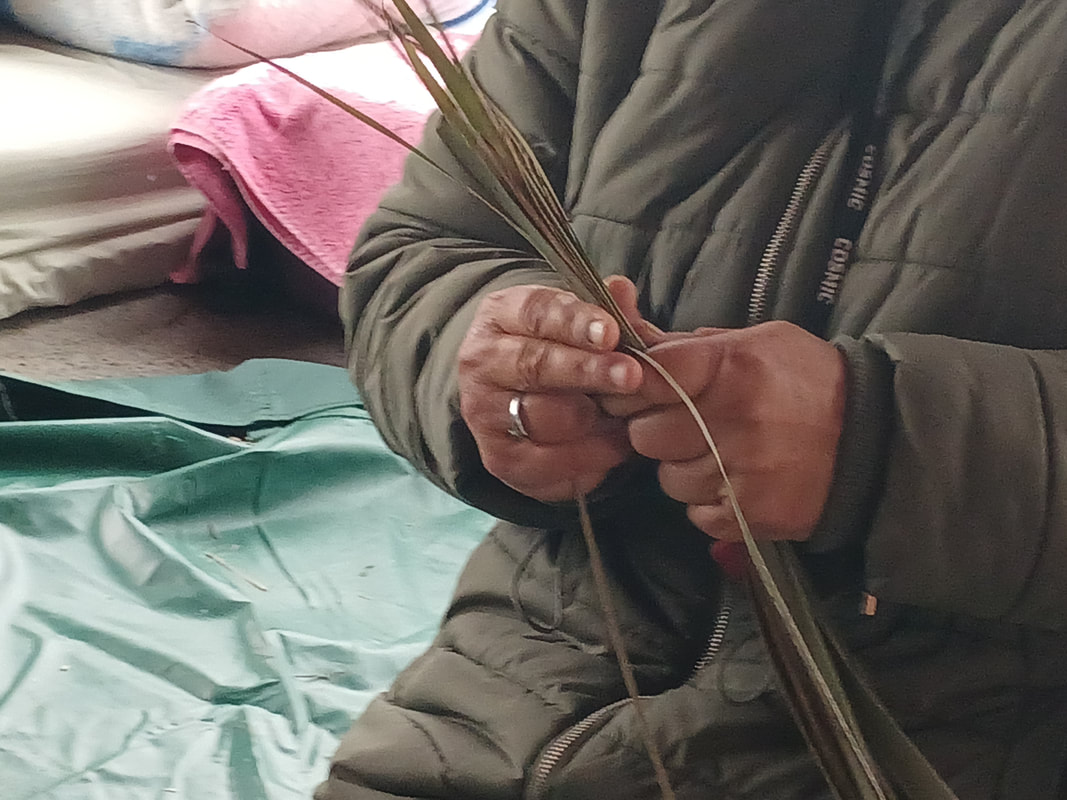
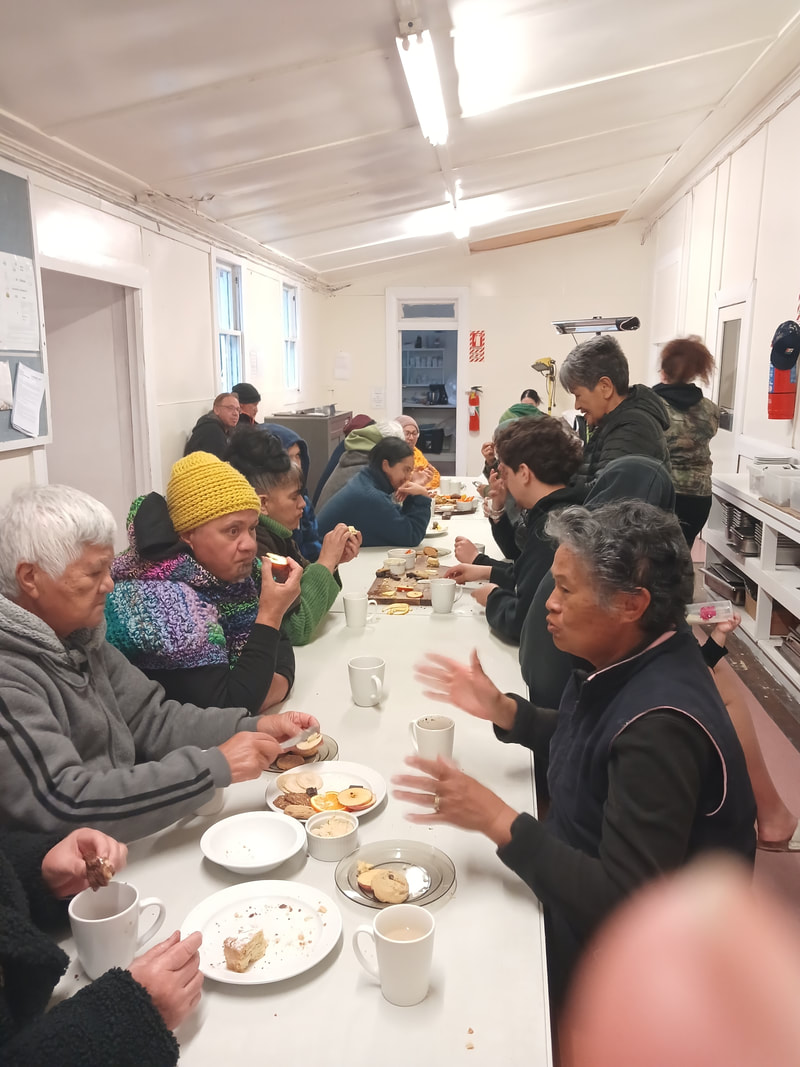
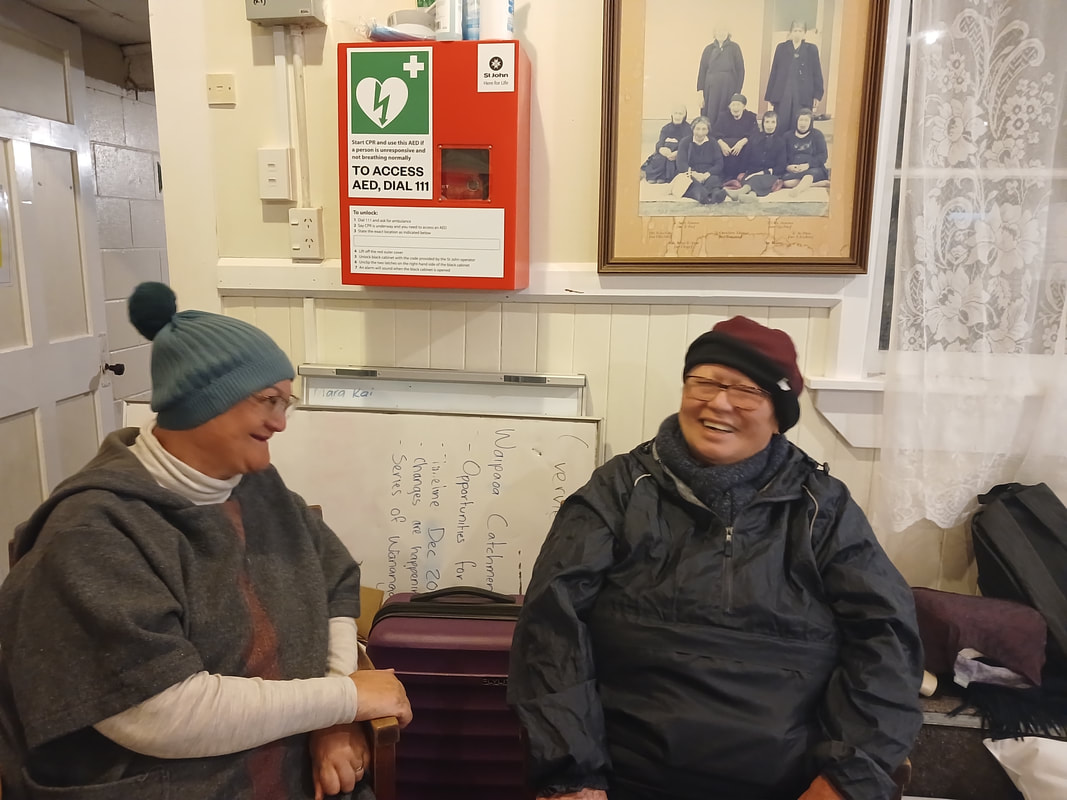
Mangapārae Papakainga Wananga Whakatipu Whenua is a series of whariki wananga. Developing weaver practitioners and a whakapapa of thought that connects us to creation and reclaiming wellbeing.
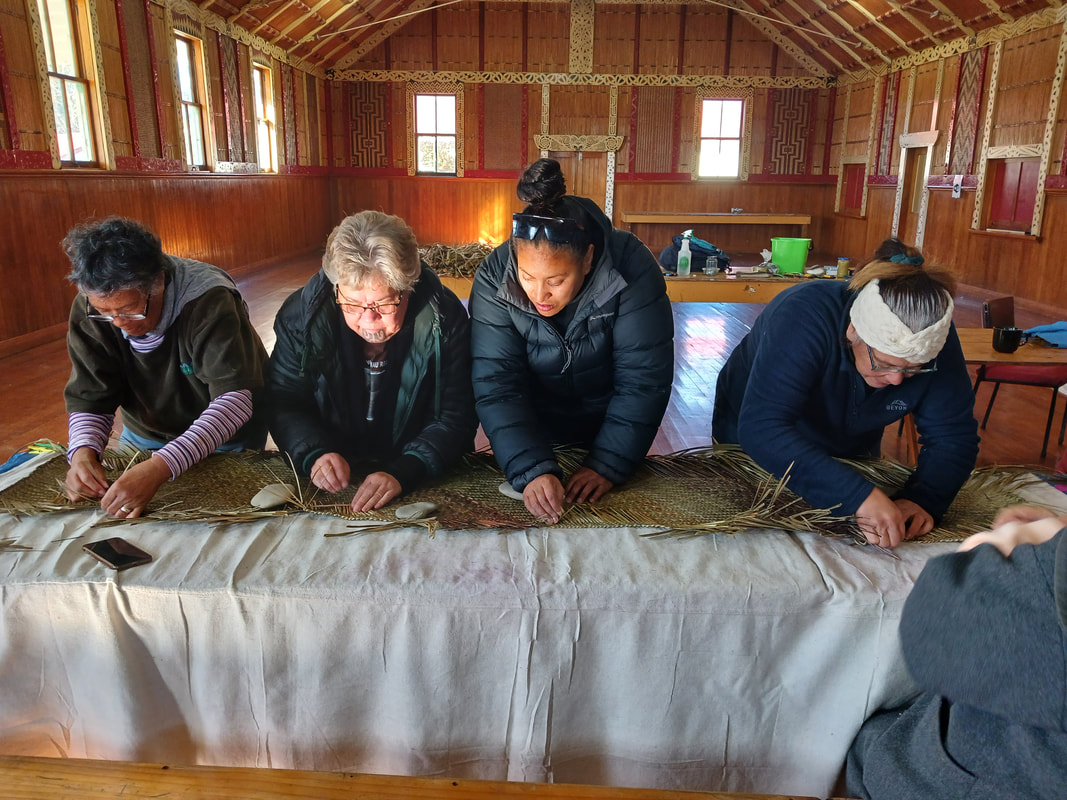
More photos and updates HERE
September 2023
Our eDNA samples to Wilderlab through the EPA’s Wai Tuwhera o te Taiao programme results are in!!! We have shared the results below for the two test sites. Mangapārae and Urukōkōmuka. The wheel of life is a visual representation of all the species identified in our samples, ordered according to their closest genetic ancestors. The branches in the centre of the wheel make up a diagram referred to as a phylogenetic tree. Thank you Mere Tamanui for the support
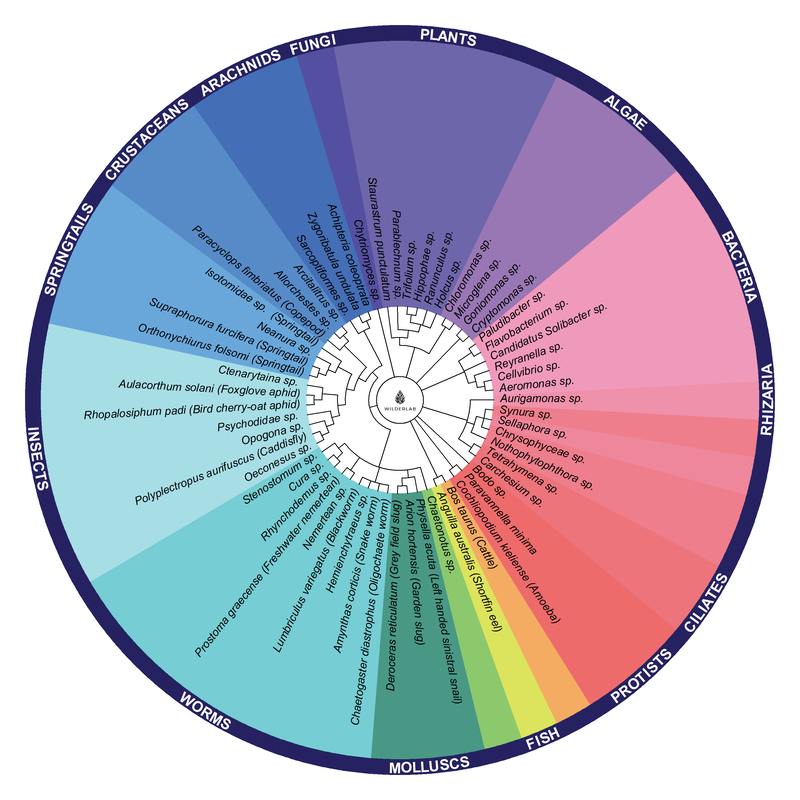
Mangaparae DNA
|
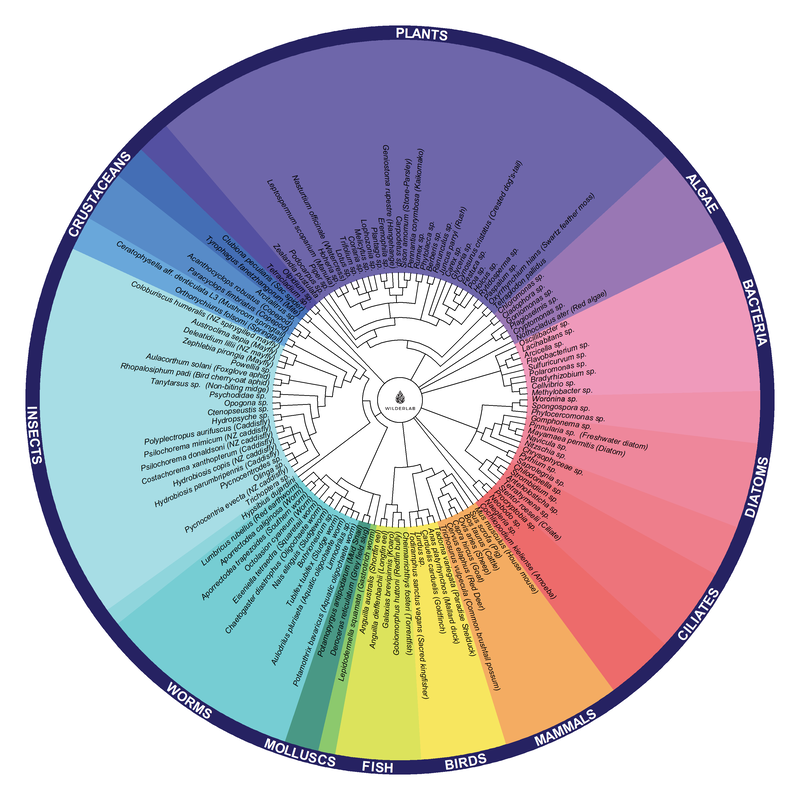
Urukōkōmuka DNA
|
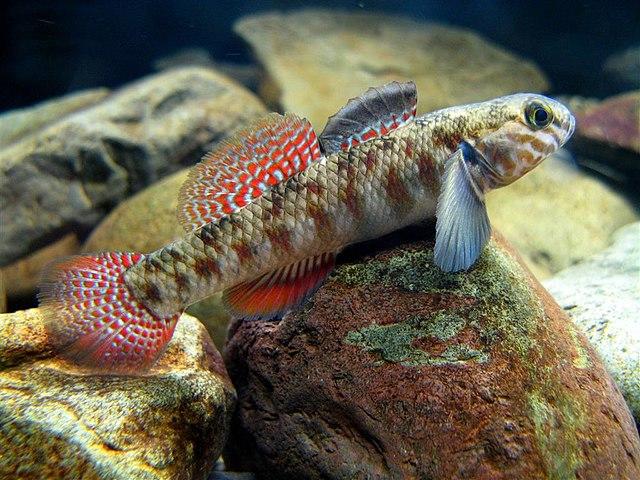
redfin bully
|
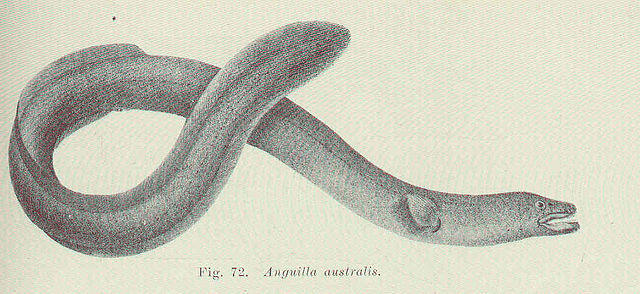
Shortfin Tuna
|

| 528172_taxon_results.pdf |
| 528171_taxon_results__1_.pdf |
August 2023
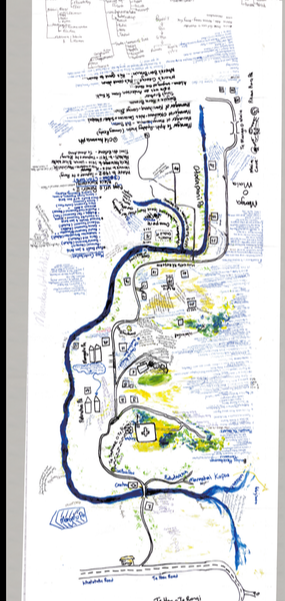
Whānau wānanga collaborative mapping of waterways, kainga and whānau. Ewe whenua map was refreshed by whānau to provide historical detail of whānau living along our awa, their kainga and relationship to the waterways. Whānau contributed, directly writing their stories onto the map over a period of time at wananga, at their kainga, through korero over kai and cuppa tea. The map together with our wānanga provides context to why we are dedicated to restoring the whenua through native tree planting and creating healthier waterways. We continue to believe that our wellbeing is connected to the wellbeing of the land.
August 2023 cont..
Nga Oriori mo Ngā Uri A Nanny Mā
Written by Virginia Tamanui
Written by Virginia Tamanui
| nga_oriori_mo_ngā_uri_a_nanny_mā_1.pdf |
July 2023
'Connects people and nature'
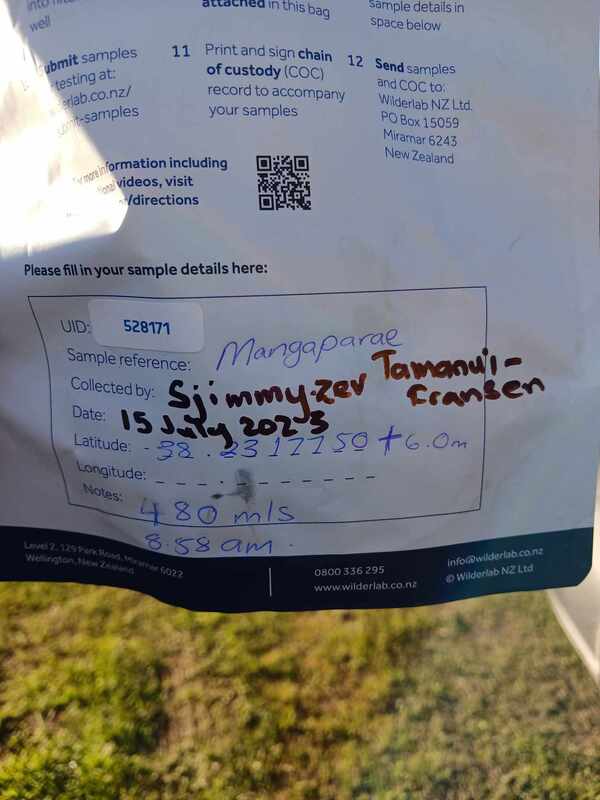
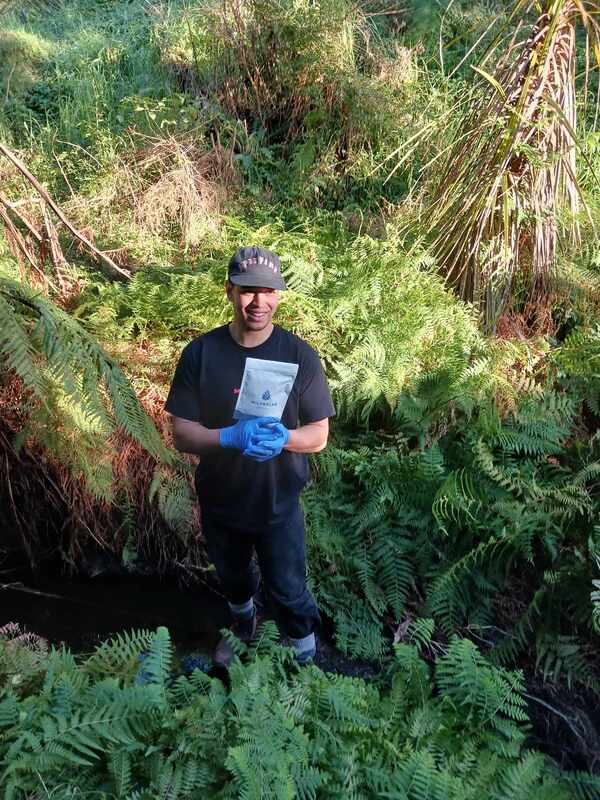
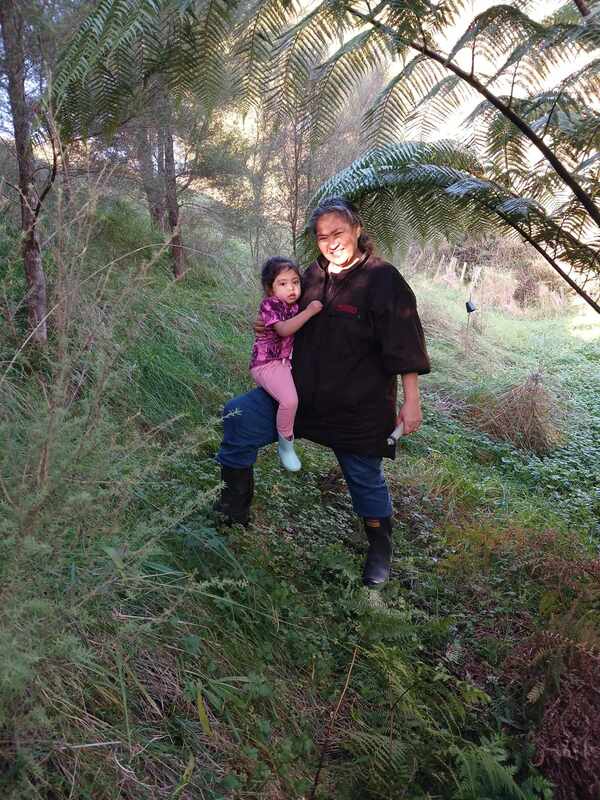
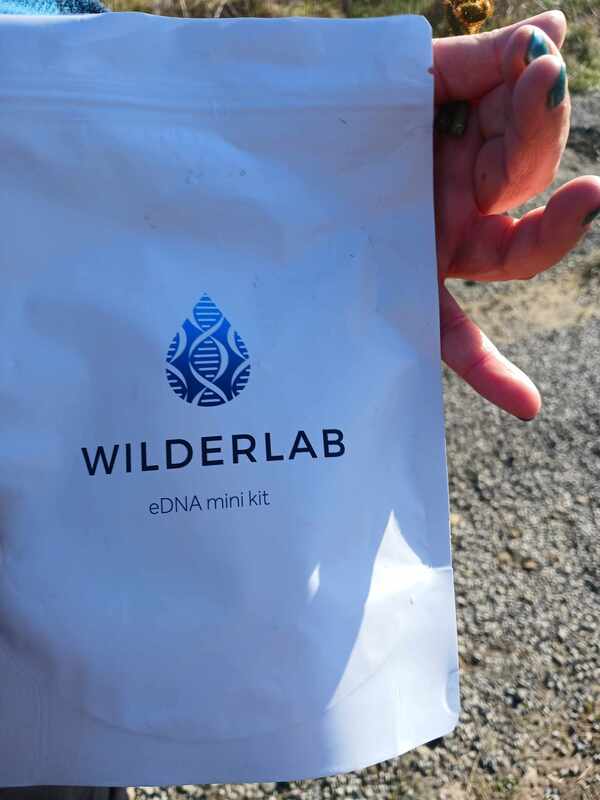
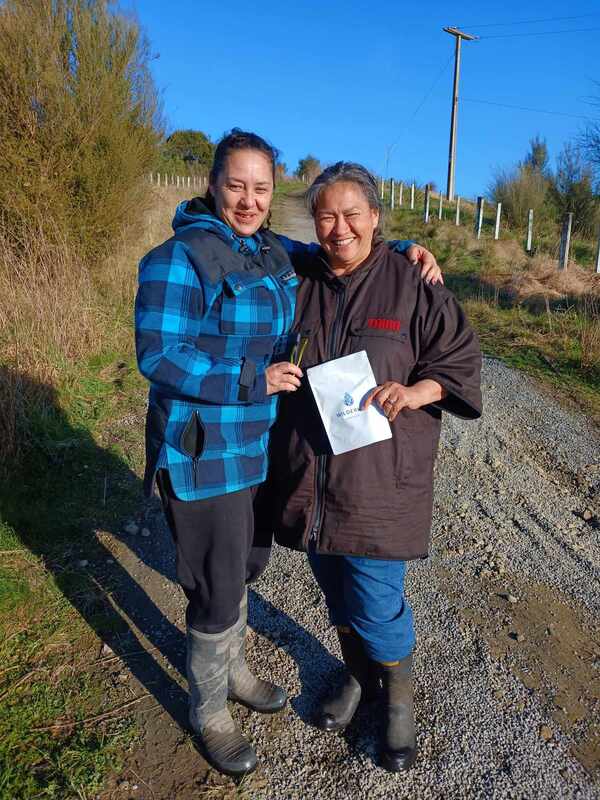
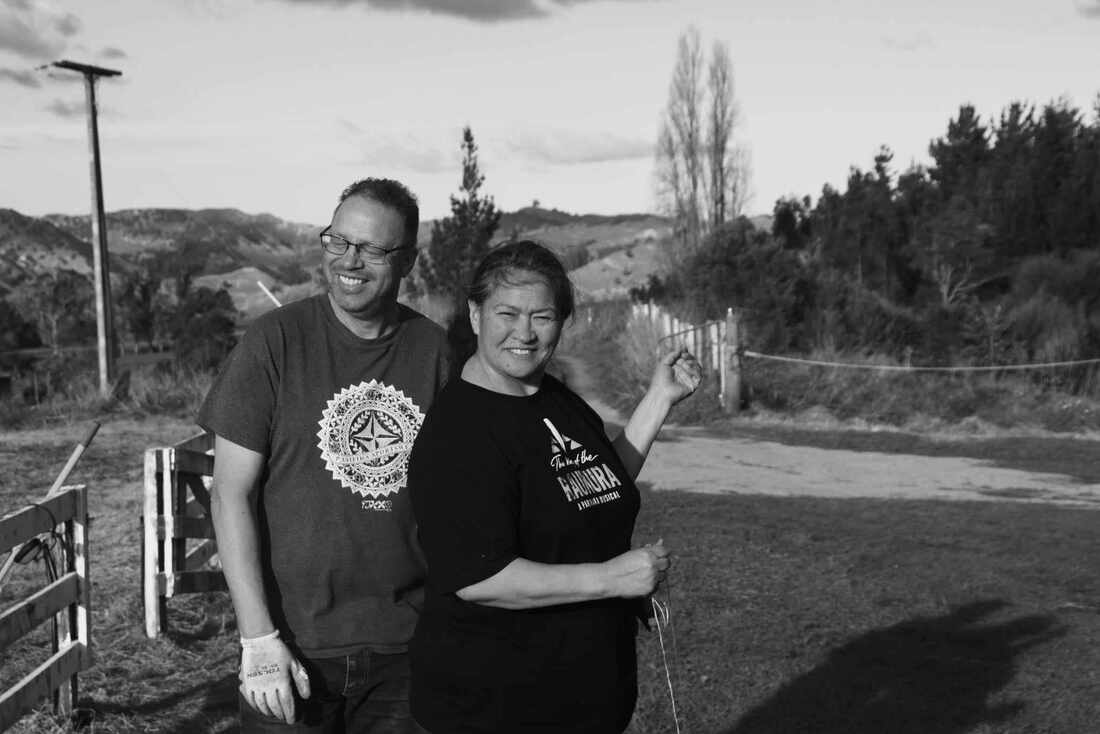
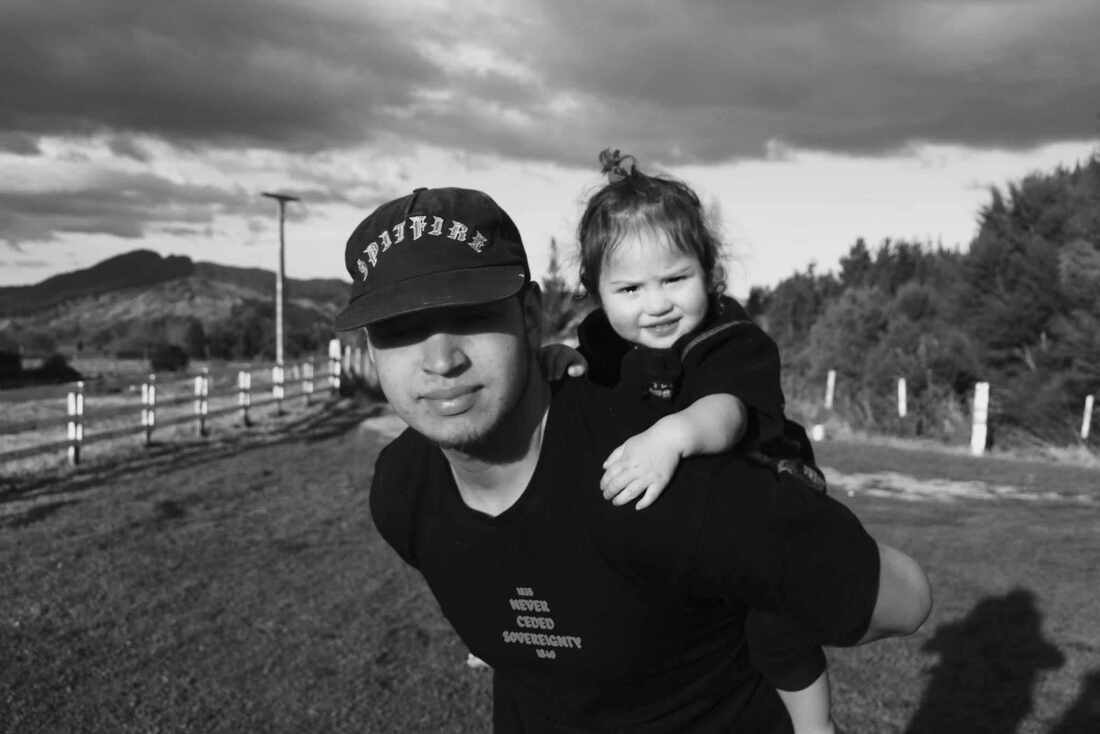
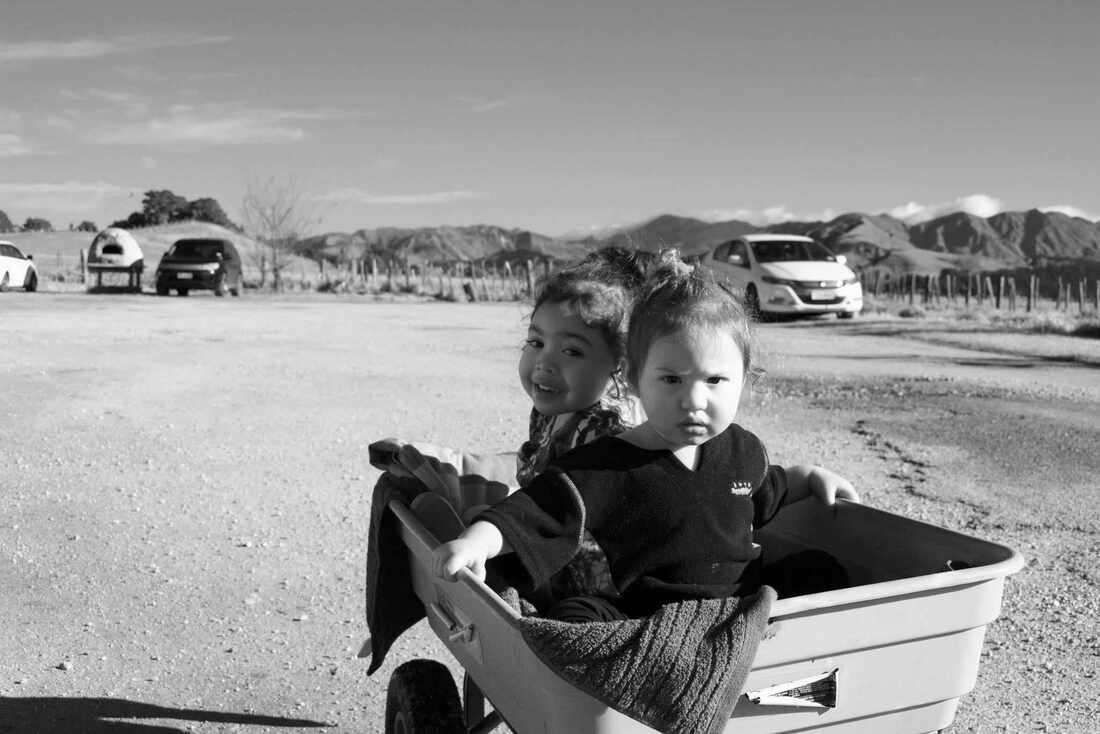
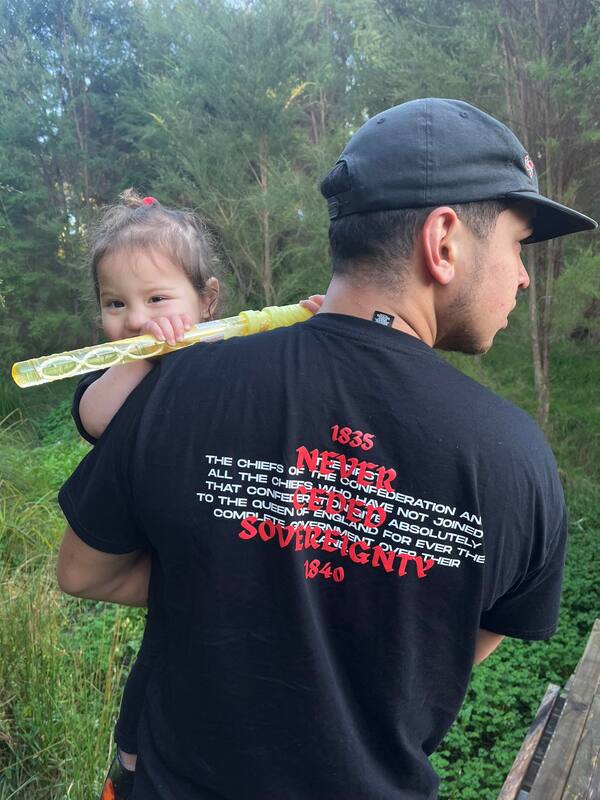
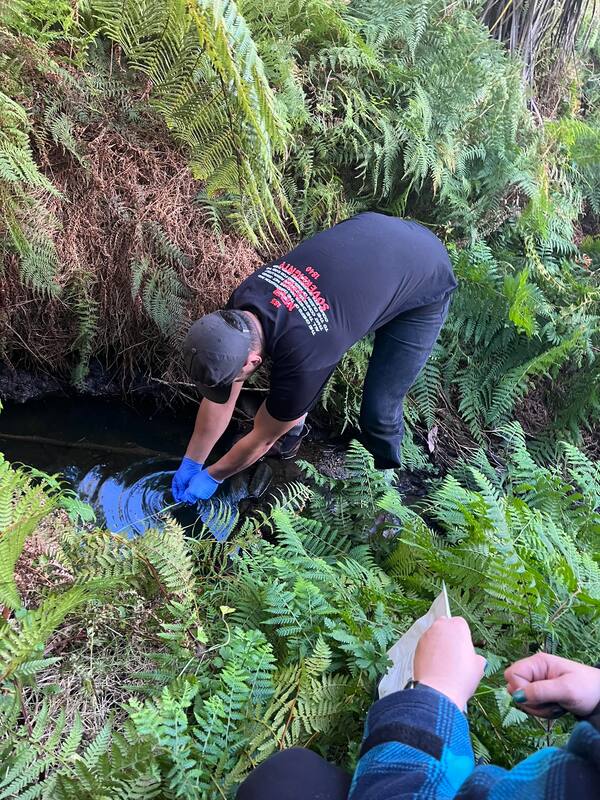
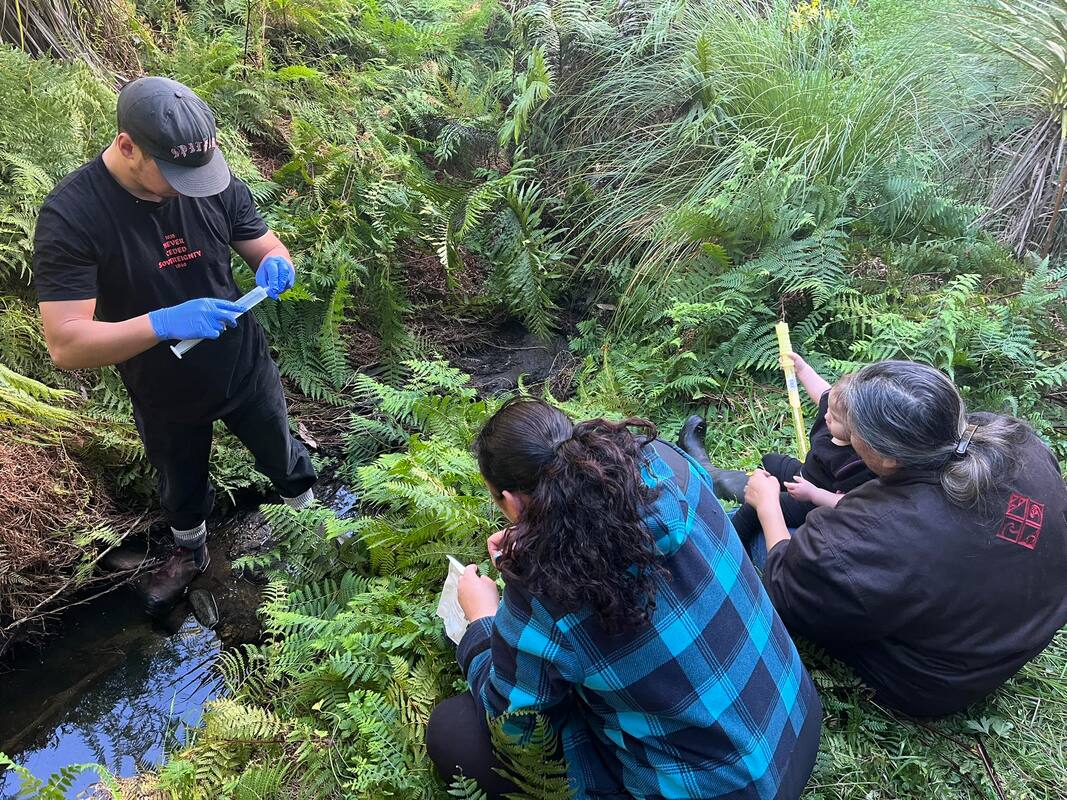
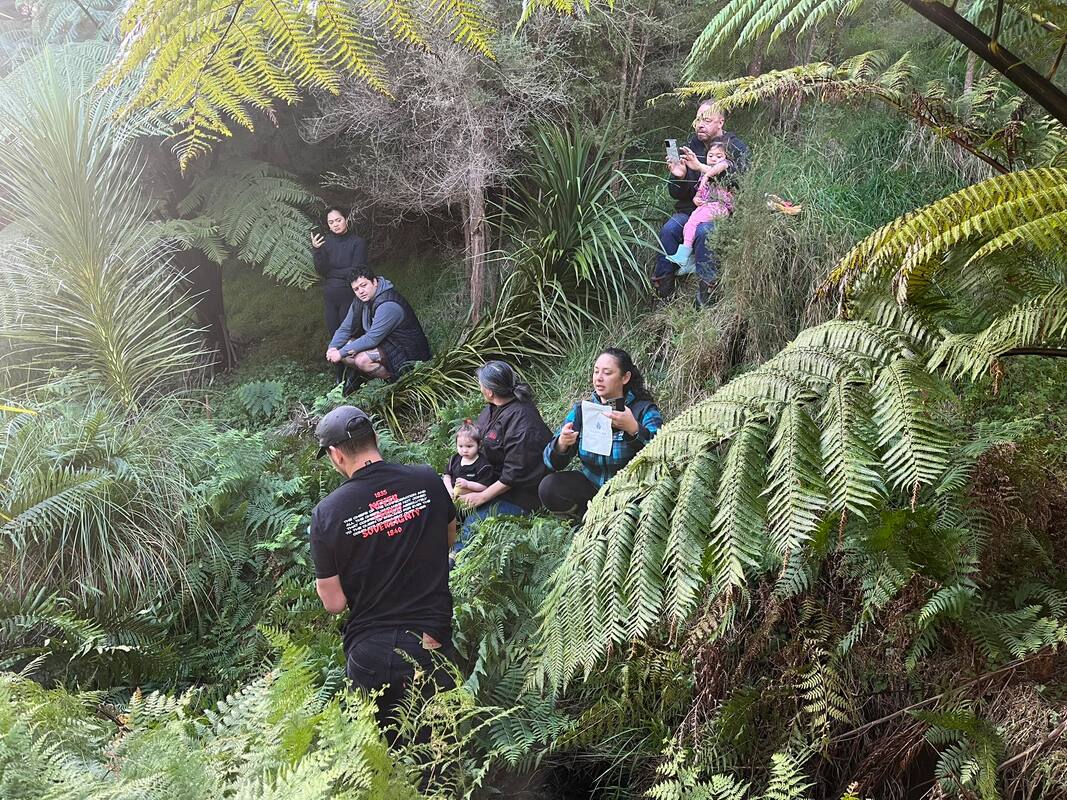
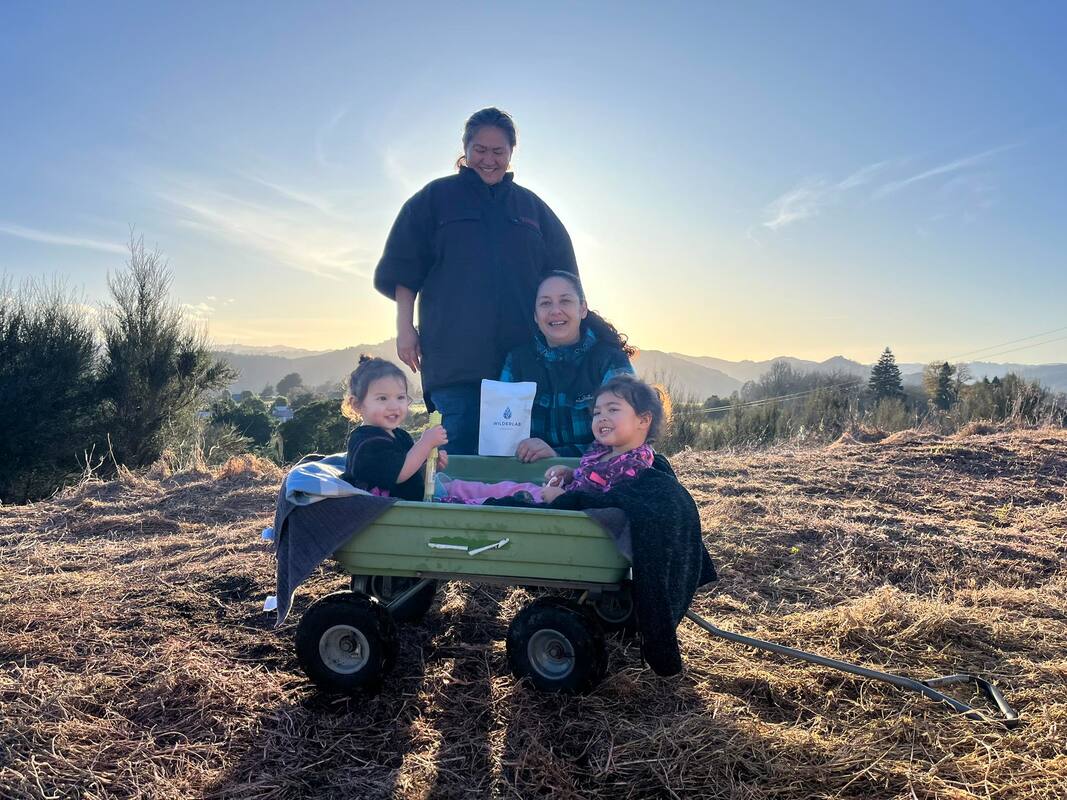
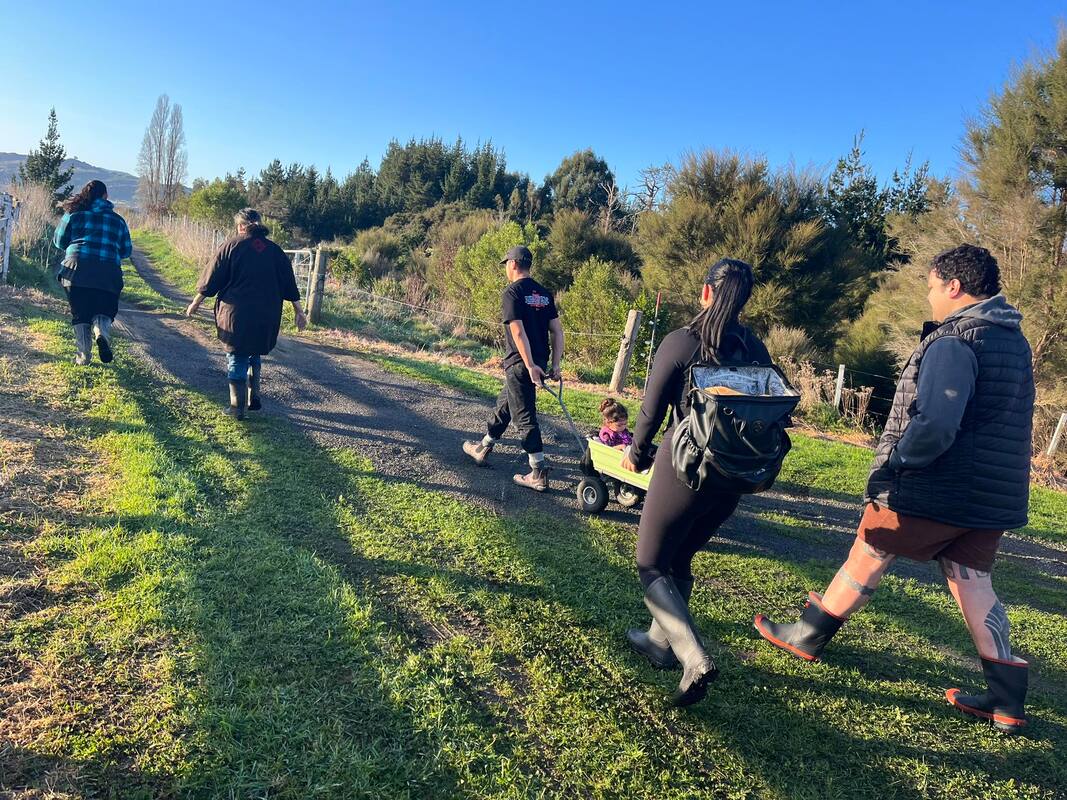
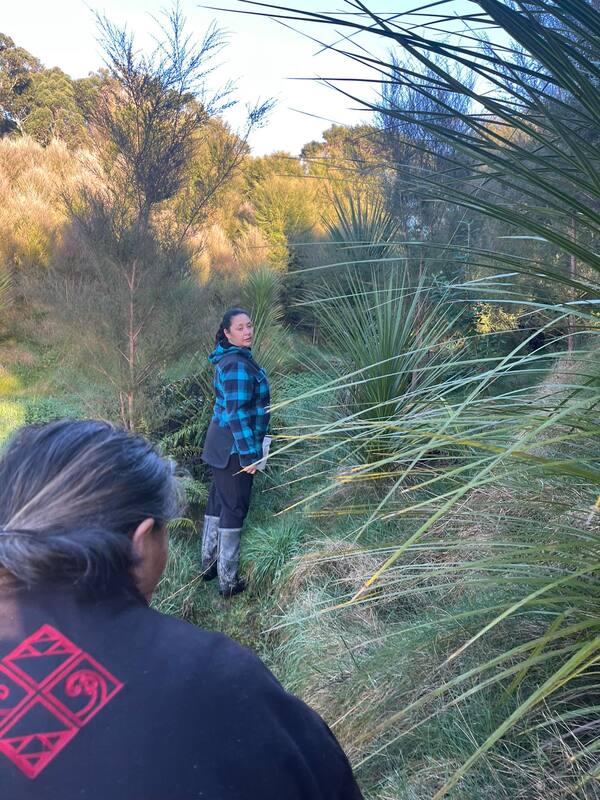
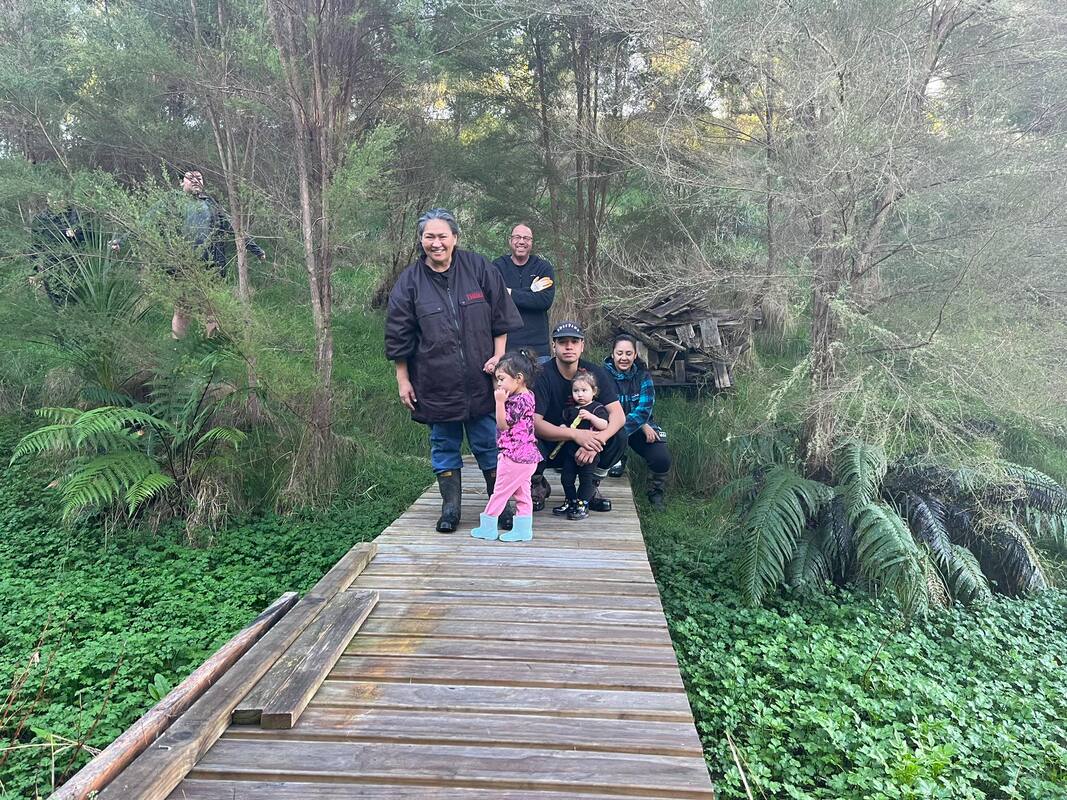
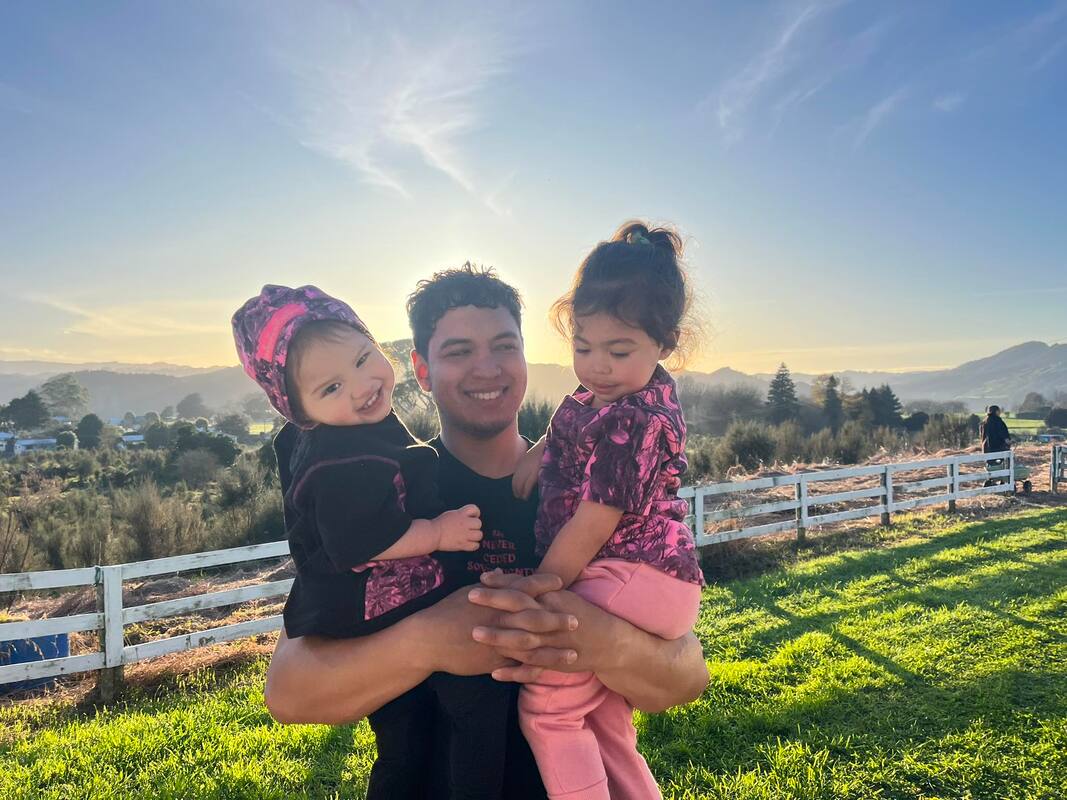
To give strength to our Wai Māori supported mahi, we participated in the Environmental Protection Authority's Wai Tuwhera o te Taiao – Open Waters Aotearoa, and the Wilderlab's eDNA (eDNA mini kit) training. In addition we identified water sample sites of interests for carrying out testing and considered the potential cultural significance of the waters and protection issues around I.P. and sample/data sovereignty and sharing. This training contributed to our understanding toward protecting and monitoring our waterways. The week of Matariki wānanga re-energised our commitment to the kaupapa, wellbeing and whanaungatanga especially since it was a Matariki holiday weekend that brought whānau home. The cousin, Mere Tamanui, lent us her taiao expertise and a couple of eDNA mini kits enthusiastically guiding us through the water testing process of collecting the tiny traces of genetic material in our water. It was more than delightful to have had our children and grandchildren, and other whanau there to share the experience of the taking of the first samples drawn from our wai at Mangapārae and Omāpere.
To give strength to our Wai Māori supported mahi, we participated in the Environmental Protection Authority's Wai Tuwhera o te Taiao – Open Waters Aotearoa, and the Wilderlab's eDNA (eDNA mini kit) training. In addition we identified water sample sites of interests for carrying out testing and considered the potential cultural significance of the waters and protection issues around I.P. and sample/data sovereignty and sharing. This training contributed to our understanding toward protecting and monitoring our waterways. The week of Matariki wānanga re-energised our commitment to the kaupapa, wellbeing and whanaungatanga especially since it was a Matariki holiday weekend that brought whānau home. The cousin, Mere Tamanui, lent us her taiao expertise and a couple of eDNA mini kits enthusiastically guiding us through the water testing process of collecting the tiny traces of genetic material in our water. It was more than delightful to have had our children and grandchildren, and other whanau there to share the experience of the taking of the first samples drawn from our wai at Mangapārae and Omāpere.
More photos and updates GO HERE
February 2021
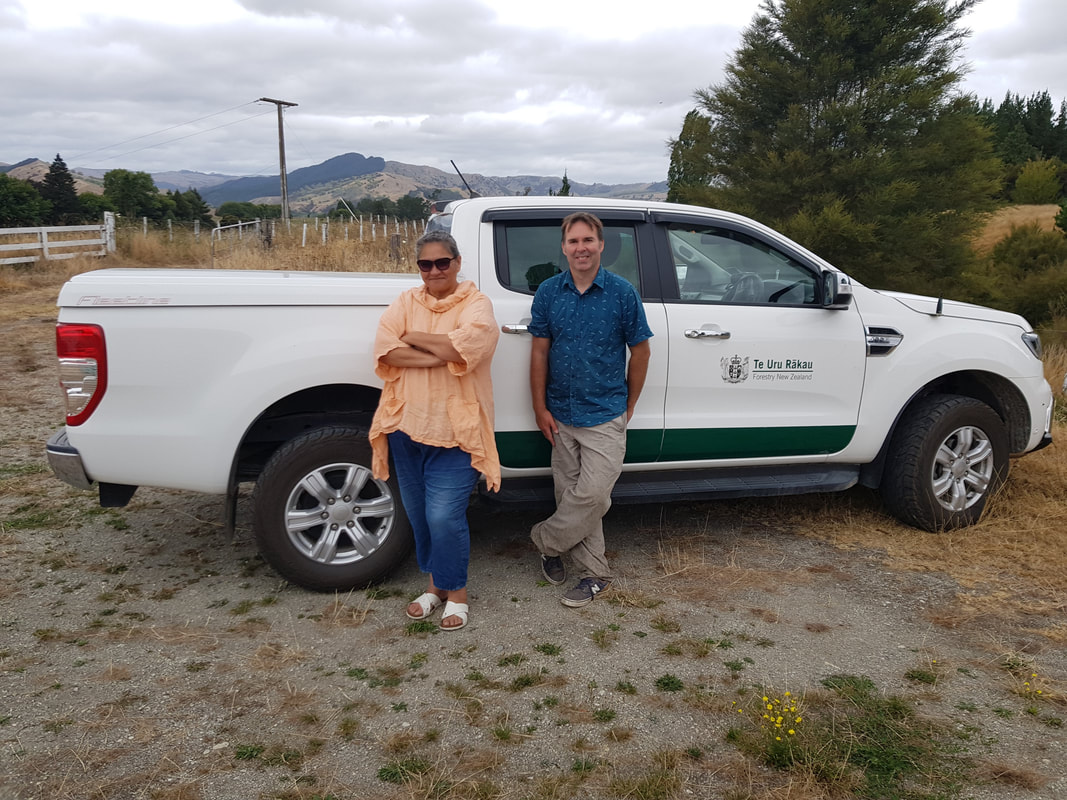
Today we had our planting project assessed by Duncan Harrison (Senior Programme Implementation Advisor and also a Geo-Spatial Scientist) from Te Uru Rākau (Forestry New Zealand). We are glad to have such knowledgeable and friendly people working in our community. Some great positive feedback regarding our progress and even offered us some training support and advice.
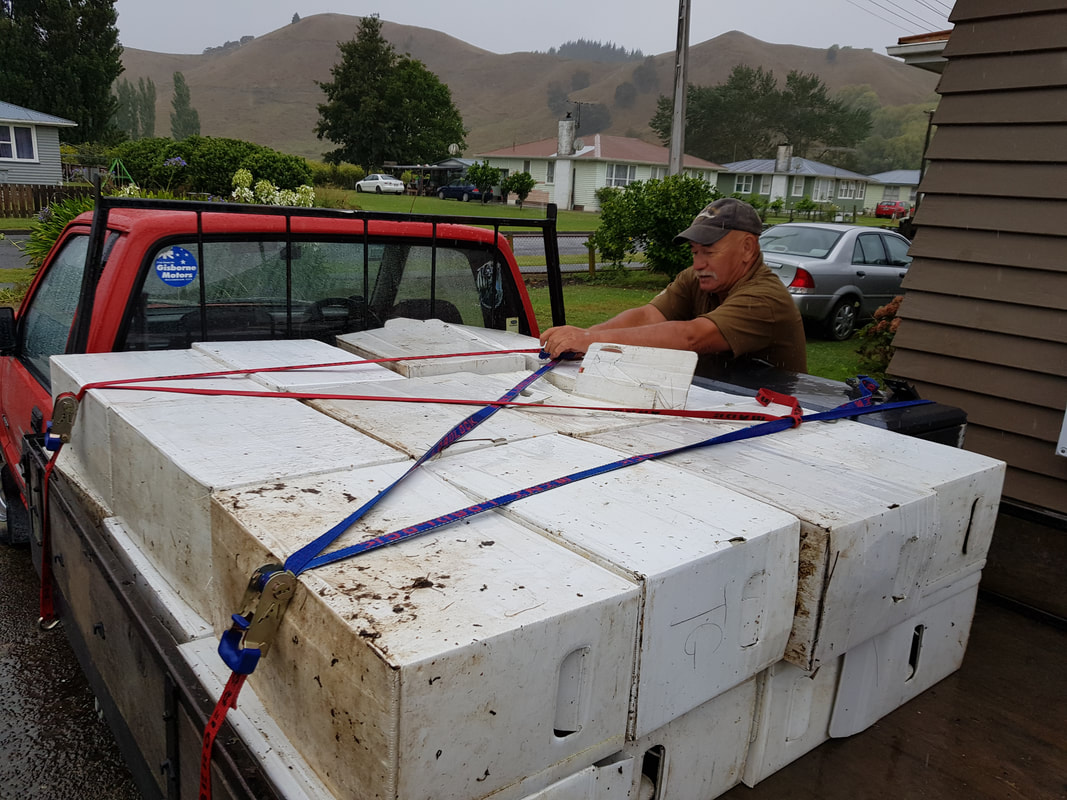
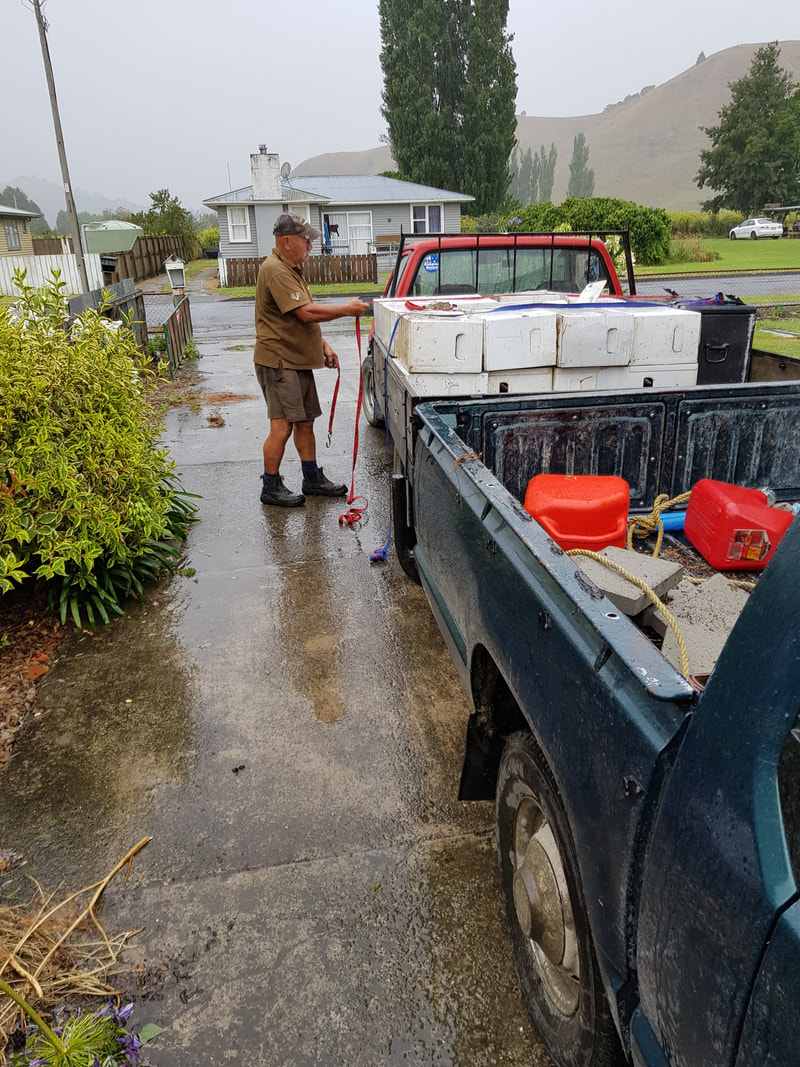
Uncle Kahu to the rescue. Ok we drove Papa's truck filled up with planting pots and boxes to Makaraka Native Tree Nursery, empty and leaking water from the radiator but made it to Te Karaka. Uncle Kahu offered to put it on his truck and then drove to Gizzy to drop it of. Check out the box stacking a piece of art. Thanks Uncle Kahu
Te Puna o Moeawa
Support our visionecological restoration
|